How Poor Ventilation Affects Mold Growth and How to Fix It
- Adam
- February 27, 2026
- Business
- Mold Growth
- 0 Comments
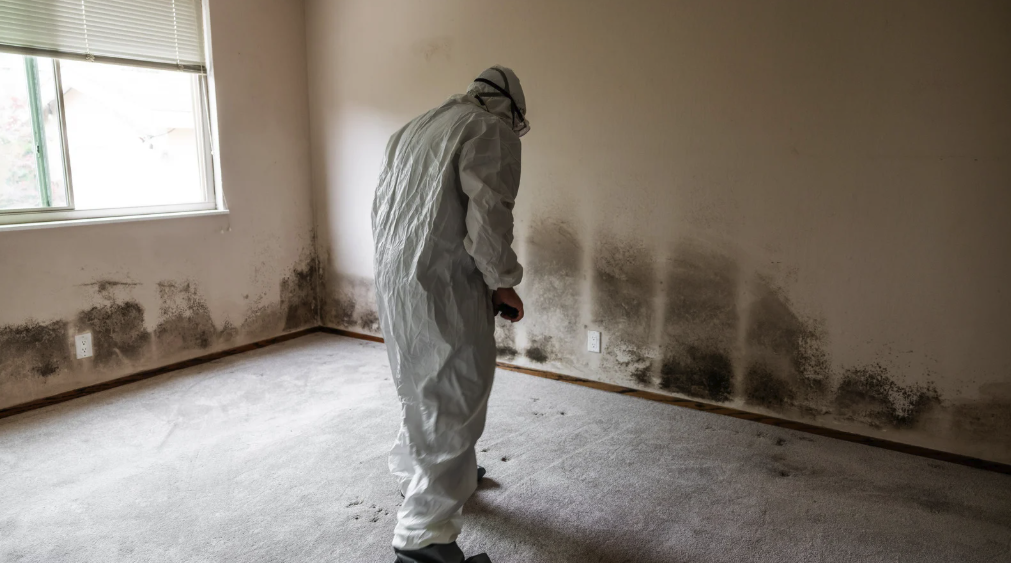
Indoor air that doesn’t circulate properly creates the perfect environment for hidden moisture buildup. Over time, that trapped humidity feeds mold colonies inside walls, ceilings, and flooring systems. Property owners often notice musty odors or discoloration long after growth has already spread. Acting early with mold remediation in Douglasville helps prevent contamination from moving into new areas. Ventilation may seem like a minor factor, but it directly influences how quickly mold develops. Understanding this connection is key to long-term control.
Why Ventilation Plays a Major Role in Mold Problems
Airflow regulates indoor humidity levels and helps surfaces dry after exposure to moisture. When ventilation is limited, damp air lingers and settles into porous materials. This creates a stable environment where spores can attach, grow, and multiply without interruption.
Poor airflow is common in tightly sealed buildings, blocked vents, and spaces like attics, crawl areas, and basements. These zones often trap warm, moist air that never properly escapes. Once mold establishes itself, circulating air systems can carry microscopic spores to other parts of the property, expanding the issue beyond the original source.
Moisture and Air Stagnation Work Together
Before looking at solutions, it helps to understand how stagnant air accelerates growth. Humidity alone does not always cause severe mold problems. The real issue begins when moisture combines with still air. Without circulation, evaporation slows down. Surfaces remain damp longer, giving spores the time they need to colonize. Over weeks or months, this process turns minor condensation into widespread contamination.
Common Areas Where Ventilation Fails
A brief look at vulnerable locations shows how easily airflow problems develop. Bathrooms without proper exhaust, kitchens with ineffective venting, and laundry rooms that release steam all contribute to excess indoor humidity. Attics can trap heat and moisture if ridge or soffit vents are blocked. Crawl spaces without airflow systems often become damp year-round, especially in humid climates.
These areas rarely receive consistent air exchange, making them prime environments for hidden fungal growth. By the time visible signs appear, colonies may already be established inside structural materials.
Why Professional Assessment Matters
It’s important to pause here and recognize that airflow issues are rarely isolated. Addressing mold effectively involves more than surface cleaning or basic air movement. Understanding the benefits of hiring a certified mold remediation specialist is essential when ventilation problems are involved. Professionals evaluate moisture sources, airflow patterns, and affected materials together, ensuring both the contamination and the underlying air circulation issues are corrected.
Improving Ventilation to Limit Mold Spread
Restoring proper airflow helps control indoor moisture levels and reduces conditions that support growth. Mechanical ventilation systems, exhaust improvements, and air exchange adjustments all contribute to balanced humidity.
Equally important is identifying where airflow is restricted. Blocked ducts, insulation gaps, and sealed-off cavities often prevent air from moving as intended. Correcting these structural factors allows damp areas to dry more efficiently and reduces the chance of recurring issues.
Long-Term Indoor Air Stability
Short-term fixes don’t address the bigger picture. Professionals examine how heating, cooling, and ventilation systems interact throughout the property. Adjustments that balance pressure and airflow between rooms prevent humid air from collecting in isolated pockets. This integrated approach not only addresses current contamination but also supports healthier indoor conditions over time.
Conclusion
Inadequate airflow allows moisture to linger, creating conditions that support hidden contamination inside building materials. Identifying ventilation weaknesses, correcting moisture sources, and applying thorough professional treatment reduces structural risk and helps maintain consistent indoor air quality. A comprehensive approach that addresses both environmental conditions and affected areas offers the most reliable protection moving forward.




Leave A Comment
You must be logged in to post a comment.